Colocation Pricing Overview
Colocation pricing usually comes as a monthly or yearly charge. Several factors shape it, including power consumption, internet connectivity usage, and the rack space you use. If your company wants to rent data center space, colocation may be the right choice. Many companies don’t want the hassle of constantly maintaining and monitoring their equipment. Others don’t have the infrastructure or skills to do it themselves.
Businesses can outsource power and bandwidth expenses by renting space in a secure data center facility. They keep complete control over their hardware and data. The cost savings in power and networking alone can justify moving your servers offsite. However, several factors deserve attention if you want the most from your data center service. We cover them here.
This article outlines critical colocation pricing questions to ask your data center provider. The answers help you reach the most efficient solution for your data management needs. They also help you and your provider agree on a plan, so you get the most from your colocation services.
What is Colocation?
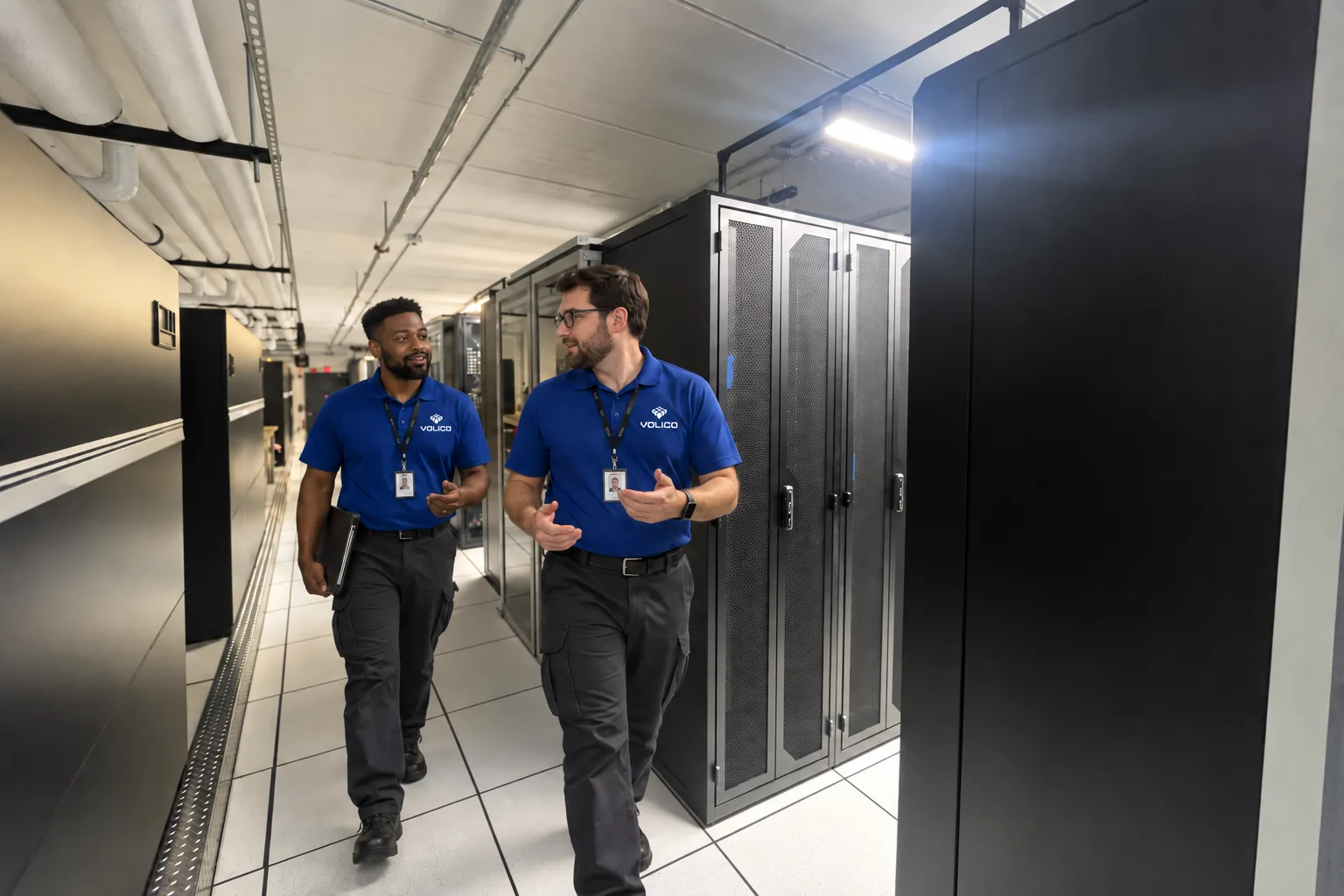
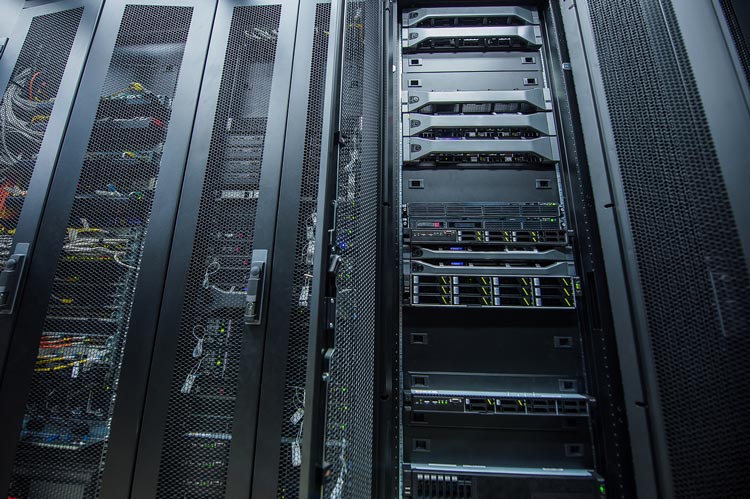
Colocation (also called “colo”) is a hosting service. A company stores its servers with a provider such as Volico Data Centers. The provider racks the servers in its secure data center facility and connects them to power and networking. For a monthly fee, colocation hosting gives businesses a secure location. Technicians staff the facility 24/7 to handle any physical server task (remote hands). These facilities feature redundant power, networking, and cooling for the most reliable server hosting.
Getting a Handle On Your Usage
Before you can talk meaningfully with a representative, you need to establish your company’s data management requirements. That applies whether the data center is a potential option or one you already use. If you don’t know your figures, the conversation will resemble two people stumbling around in the dark.
To do this well, visit your IT department and talk with your head technician. Ask them to explain how your existing data management system works. If possible, ask for a detailed list of the metrics of your current setup. This will speed up the process of optimizing your data colocation service.
Smaller companies without a dedicated IT department and head technician can gather this data themselves, although it takes more effort. Cataloging the inputs and outputs of your current data management system may feel daunting. Still, with some research and persistence, you can arrive at a few influential figures.
Key Questions to Ask Your Colocation Provider
Many things need attention when you set up colocation data center services and tune them to your data management needs. You’ll need to discuss pricing, technical requirements, data center location, and much more. Most of the colocation pricing is transparent and easy to understand, such as leasing fees and power rates. However, make sure you also consider the less obvious factors, such as the risk of high latency or potential downtime.
How Much Should Colocation Pricing Cost Your Company?
Cost is often the deciding factor in a colocation data center leasing plan, especially for companies with limited budgets. A workable balance between your funds and the functionality you get can make the difference between success and failure.
If you aren’t sure how much budget to dedicate to data management, ask your colocation representative. Share your business model, your current data management setup, and your metrics. With this information, the representative will help you determine a working budget and payment plan.
Of course, you shouldn’t leave the choice of price point and package entirely to the representative. It’s your business, after all. You decide how crucial data management is to your business model and how much you’re willing to spend. The representative can help you figure out what might work best, but the final decision is yours.
What Kind of Support Do You Offer? Onsite Support, Smart Hands, or Remote Hands?
Support is another vital factor. Colocation services vary in the type of support they provide, and you can outsource support to your local IT department. The support schedule and staff you need depend on your business, your sector, and your operating budget.
Larger companies with integrated IT departments can leave data management entirely to their in-house technicians. This allows far more flexibility and customizability, so the company can allocate resources to suit its day-to-day operations.
Smaller companies without the luxury of a full-time IT department can pay an additional fee. In return, the data colocation center manages and supports their data processing, storage, and transfer needs. This can be costly, but it’s often the only viable option for companies too small to hire an IT team.
What Will The User-Side Technical Requirements Be?
When discussing data colocation, many people pay undue attention to the server-side technical specifications. They give too little attention to the user-side requirements. The server side is undoubtedly important, but your company also needs enough bandwidth and hardware for reliable operation.
Insufficient bandwidth can quickly become a problem for companies in regions with lower average internet speeds, including the United States. To avoid slow connections and snail-pace transfers, consider installing a faster connection through your internet service provider. Be sure to ask the colocation representative whether this is necessary.
Data colocation also means moving your existing equipment to the colocation center. To spend as little as possible on rack space, consider upgrading aging, space-intensive components to newer, more compact hardware. This may raise costs initially, but over the long term it usually lowers your colocation spending.
How Much Do Your Services Cost?
Another essential factor is cost. Here that means the price per unit at the company you are considering, not how it fits your budget. Per-unit colocation pricing varies widely, depending mainly on power consumption, center location, and onsite staffing.
Providers typically base colocation pricing on the rack unit, often written as an uppercase “U”. One rack unit is 1.75 inches tall, and it is the metric most providers use for pricing. When your equipment arrives at the colocation center, the provider counts the rack units it occupies. That count largely determines how much you pay each billing cycle.
As we mentioned before, optimizing the amount of space your equipment takes up lowers your overall colocation pricing. Power consumption is also a factor, so newer, more efficient hardware will save you money on power fees too. Be sure to ask your representative to recommend suitable equipment.
Other Tips For Eliminating The Risks Of Cheap Colocation
- Don’t sign an agreement for a colocation service that doesn’t include redundant power.
- Never choose a colocation service without redundant network connectivity.
- Make sure your data center provider’s support can handle any Smart Hands/Remote Hands request.
- Finally, confirm the response time your provider promises fits the SLA you guarantee your customers.
Request Your Volico Colocation Quote Today
Colocation is unique to each project, so we recommend requesting a quote for specific pricing. If you want more info about colocation pricing, schedule a call with one of our data center experts today.
• Call: (305) 735-8098
• Chat with a member of our team to discuss which solution best fits your needs.